
Lessons
Learn vocabulary and grammar in small chunks, with English explanations and audio.

Reconnect with your roots. Learn Hokkien and Teochew as spoken in Singapore. Duolingo for Singapore’s Chinese dialects. Tio Boh?

From 1990 to 2020, fewer people used Hokkien or Teochew as their main home language.
Share of the population surveyed for home-language use. All bars use the same 0–20% scale.
These figures measure the language spoken most frequently at home, not everyone who can speak a dialect or belongs to a dialect group.
1990: Hokkien 19.3% and Teochew 8.6%, as reported from the census in the NIE research paper A study of bilingual Singaporean families: Social support networks.
2020: calculated from Census of Population 2020, Table 41: 157,259 Hokkien and 59,424 Teochew speakers out of 3,596,284 residents aged 5 and over included in the table. It excludes people unable to speak, one-person households and households of unrelated people. Percentages are rounded to one decimal place; census coverage can differ between years.
Our dialects are still here. Let’s keep speaking them.
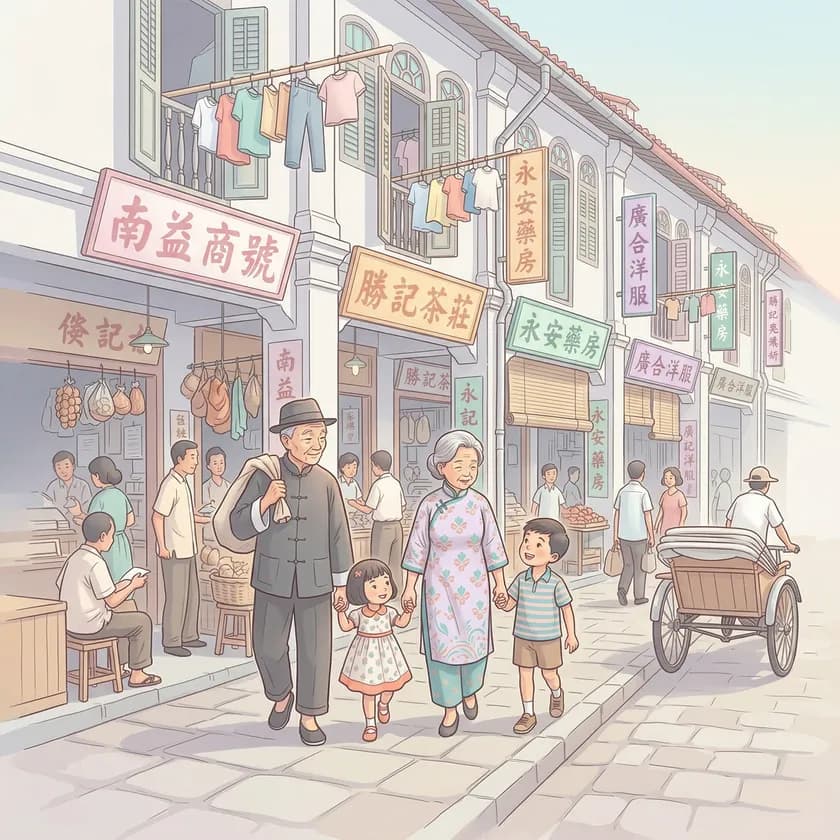
Singapore’s Chinese dialects are more than everyday speech. They are records of our history and identity.
Brought here by our forefathers from southern China, dialects such as Hokkien, Teochew, Cantonese, Hakka, and Hainanese took root and evolved within Singapore’s multicultural environment.
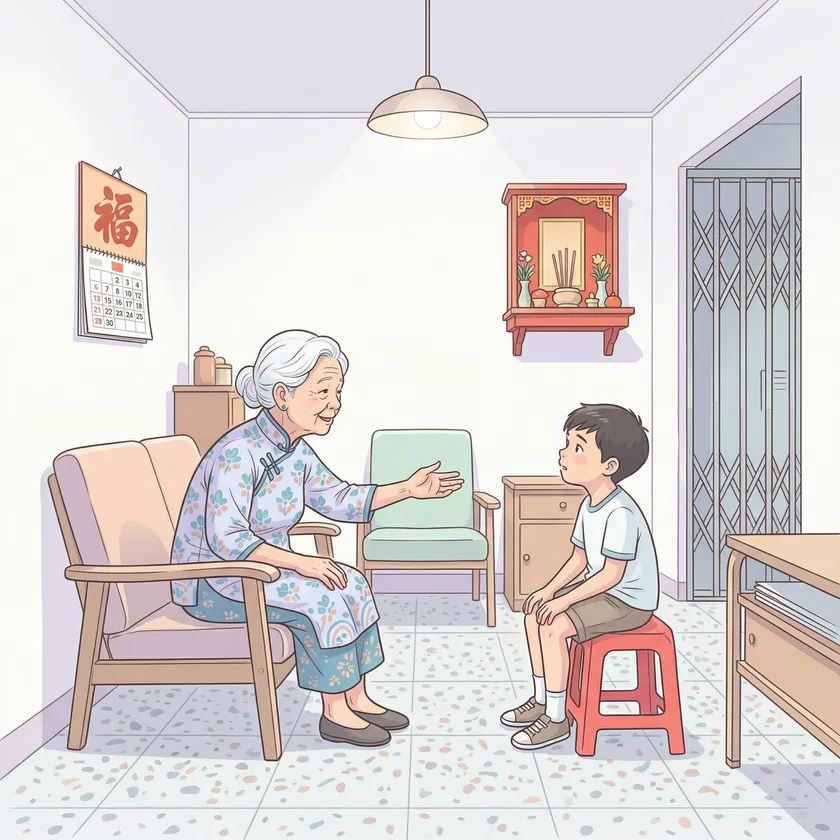
Influenced by one another, as well as by Malay, English, and other languages, they developed into uniquely Singaporean forms found nowhere else in the world.
Yet many Chinese Singaporeans grow up believing that Mandarin is their “mother tongue.” While Mandarin undeniably has great value as a common language, its prominence often overshadows the dialects that came before it, the languages of our ancestors, families, traditions, and communities.
When a dialect disappears, the cultural memory it carried goes with it. These languages carry everyday interactions, oral traditions, values, and histories that have shaped Singapore’s development over the past two centuries. Letting them disappear means losing a part of our heritage that nothing else can replace.
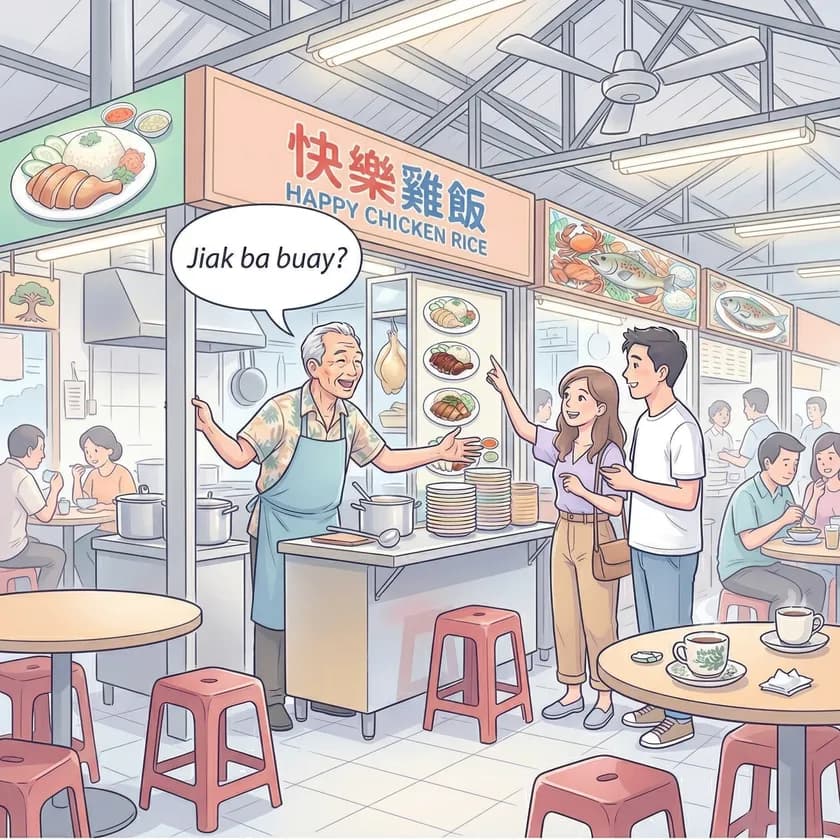
Despite their importance, Chinese dialects are under pressure. They receive little institutional recognition, and when taught, are often presented in standardised forms that differ from local usage. Learning resources are limited, especially for Singaporean varieties, making it difficult for beginners to engage meaningfully.
At the same time, longstanding policies and social attitudes have discouraged their use, which has reinforced negative stereotypes and made it harder for older generations to pass them down.
However, our dialects have not disappeared in Singapore yet.
They are still here, waiting to be spoken again by us and future generations.
Relearning them is a way of reclaiming a part of who we are. By revitalising our dialects, Singapore’s story stays true to its roots.
Tio Boh? is free, forever. Every lesson is written and checked by native speakers, not generated by AI.
Learn vocabulary and grammar in small chunks, with English explanations and audio.

Practise what you’ve learned and find the words that need another look.

Keep words fresh with flashcards and spaced repetition.
AI-assisted practice
Our in-app chatbot uses Claude Opus and Haiku to recognise Hokkien terms from each chapter and give grammar feedback on a learner’s own response—not just a fixed multiple-choice answer.
AI practice chat is available to learners aged 18 and over.
See how Tio Boh? uses ClaudePractice chat
Chapter vocabulary recognised
Claude checks the terms and grammar in the context of the lesson.
Be part of the generation that brings them back. Download the app and start learning today.


Available on Android & iOS
Help us keep our dialects alive in Singapore!